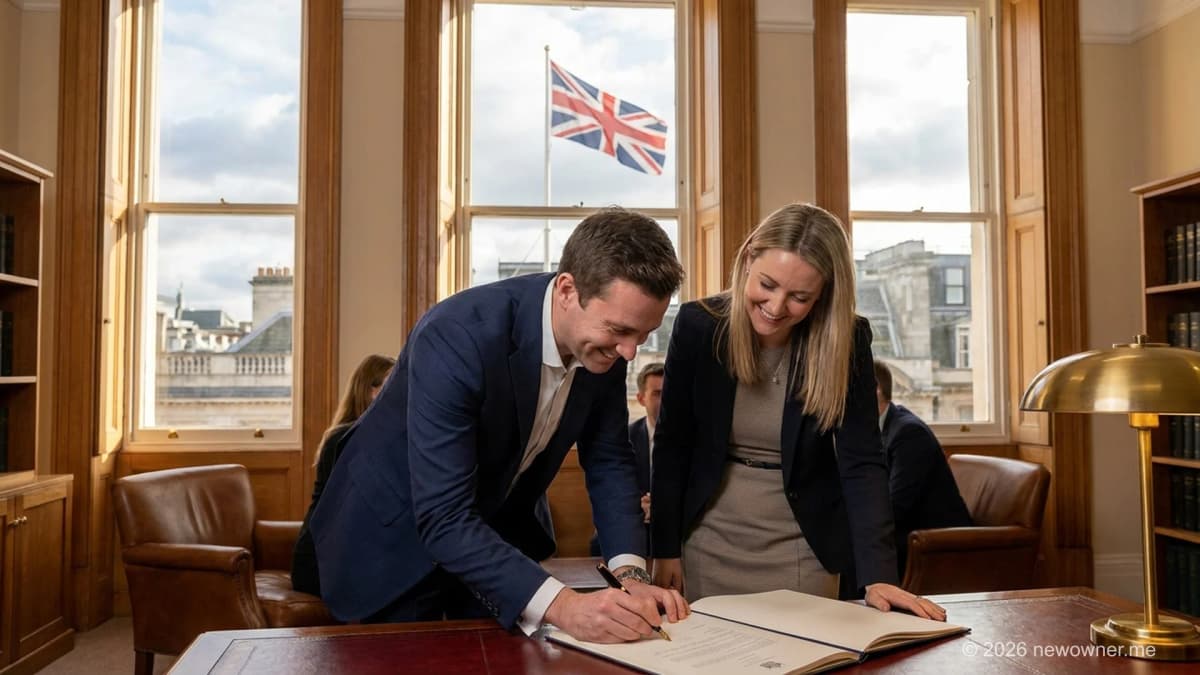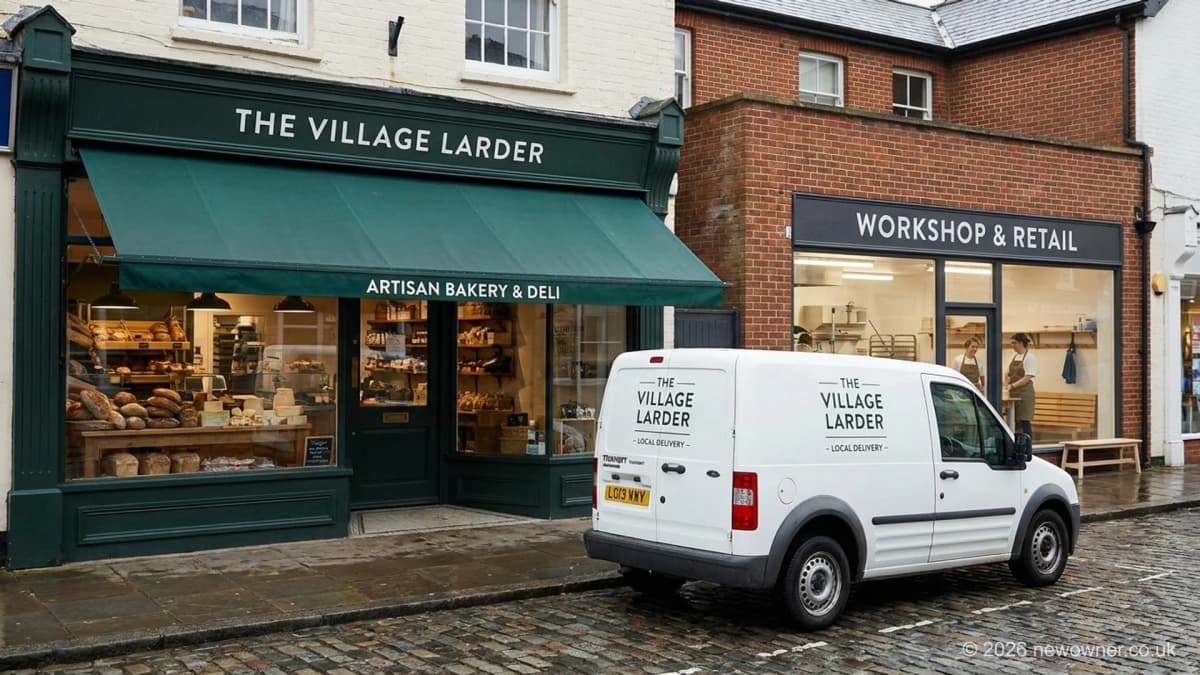
The sub-£150k acquisition tier represents a popular entry point for aspiring entrepreneurs seeking viable UK businesses.
- The sub-£150k UK market: reality versus illusion
- Asset purchase versus share purchase: the shield for small acquisitions
- The working capital buffer: a common first-time buyer error
- Viable business sectors evaluated: what £100k to £150k buys
- Verification and due diligence for sub-£150k acquisitions
- Funding acquisitions under £150k: loans, seller financing, and savings
- From offer to completion: a 10-step first-time buyer roadmap
The sub-£150k UK market: reality versus illusion
Finding businesses for sale under 150k is a popular move for prospective business buyers in the United Kingdom. Every month, thousands of aspiring entrepreneurs, tradespeople, and corporate professionals leaving salaried employment look to buy an established trading enterprise rather than building a startup from scratch.
On NewOwner, businesses priced below £150,000 form a substantial share of live inventory. These affordable business opportunities include neighbourhood sandwich bars, high-street takeaways, established commercial cleaning rounds, Amazon FBA ecommerce storefronts, mobile auto-repair vans, and specialist local trade suppliers. While our previous micro-guide evaluated acquisitions under £30,000, expanding your budget to £100,000–£150,000 changes the type of available businesses. At £30,000, you are almost always buying second-hand catering equipment inside a failing lease; at £100,000 to £150,000, you enter the tier of viable, profitable enterprises producing authentic cash flow.
The employee to owner-director mindset shift
Transitioning from corporate PAYE employment to owning a small business for sale means you have to adjust financially and mentally:
- No guaranteed Friday paycheque: You no longer receive a net salary with PAYE and pension deducted automatically. You must manage corporate tax reserves, quarterly VAT payments to HMRC, and employer pension contributions.
- Tax structure (salary vs dividends): Most small business owners draw a modest director's salary up to the secondary National Insurance threshold (£9,100 to £12,570), extracting the remainder of profits as quarterly dividends (taxed at 8.75% basic rate or 33.75% higher rate) after paying Corporation Tax (19% small profits rate on profits under £50,000, tapering to 25% over £250,000).
- Uncapped upside: Unlike employment, every efficiency, supplier discount, or customer retention improvement drops directly to your personal bottom line.
However, entering this market requires a clear head. Below £150,000, you are rarely purchasing a passive investment that runs autonomously; in nine out of ten cases, you are buying an established operational job that pays an attractive owner wage alongside business profit. Succeeding as a first-time acquirer means evaluating whether that operational role matches your lifestyle, verifying every penny of reported income, and ensuring you don't spend your last pound of savings on the purchase price.
Asset purchase versus share purchase: the shield for small acquisitions
How you legally structure your acquisition protects you from inheriting past debts. In the UK, acquisitions are structured either as a Share Purchase or an Asset Purchase.
Why sub-£150k deals should almost always be asset purchases
When you buy a business under £150k, you should almost universally insist on an Asset Purchase (Trade and Assets Acquisition). In an asset purchase, your new limited company buys only the identifiable commercial assets—the business name, domain, customer lists, plant and machinery, goodwill, and stock—while leaving the seller's existing limited company behind.
- Exclusion of historic tax debts: You don't inherit historic Corporation Tax liabilities, unfiled VAT returns, PAYE arrears, or ongoing HMRC tax investigations.
- Protection against hidden creditors: Unpaid supplier debts, disputed bounce-back loans, and unrecorded court judgments (CCJs) remain the legal responsibility of the seller's entity.
- Clean balance sheet: You start trading on day one with a pristine corporate record, simplifying commercial bank account opening and merchant credit terms.
What you can't avoid: TUPE regulations
Even in an asset purchase, you can't contract out of UK employment law. Under the Transfer of Undertakings (Protection of Employment) Regulations 2006 (TUPE), all employees assigned to the business transfer automatically to your new company on their existing pay rates, contractual benefits, and accrued continuous service. Make sure you audit employee contracts, accrued holiday entitlements, and right-to-work documentation during due diligence.
The working capital buffer: a common first-time buyer error
A common reason buyers fail is running out of money on completion day. Aspiring buyers with £100,000 in savings routinely commit £95,000 to the purchase price, leaving themselves with £5,000 of cash to manage initial trading. As independent M&A advisors often warn, "Your working capital needs to cover at least three months of core expenses before you see a penny of reliable profit."
The 70/30 capital allocation rule
As a good rule of thumb, never commit more than 70% to 75% of your available liquidity to the purchase price. At least 25% to 30% of your total capital must be held in reserve to fund mandatory day-one working capital requirements:
- Commercial rent deposits: Landlords assigning a leasehold shop or warehouse routinely demand a cash deposit of three to six months' rent (£6,000 to £15,000) held in escrow.
- Card acquirer settlement delays: When opening a new merchant account with payment processors (Worldpay, Stripe, Zettle), acquirers frequently impose a 5% to 10% rolling reserve or a 5-day payout delay for the first 90 days of new ownership.
- Stock at Valuation (SAV): Purchase prices in business particulars almost always state 'plus stock at valuation'. You must pay cash on completion day for consumable ingredients or retail inventory, typically adding £3,000 to £12,000 to your completion cheque.
- Supplier credit accounts: Wholesale suppliers (food distributors, parts wholesalers) won't offer 30-day credit to a newly formed company. Expect to trade on Pro-Forma Cash on Delivery (COD) for your first three months.
Worked capital breakdown: acquiring a £100,000 cafe
| Capital Allocation Category | Outflow / Allocation | Regulatory & Commercial Context |
|---|---|---|
| Agreed Purchase Price | £100,000 | Business enterprise and fixtures |
| Opening Stock at Valuation (SAV) | £5,000 | Consumable inventory settled in cash on completion day |
| Commercial Solicitor Legal & Search Fees | £4,500 | Lease assignment, contract drafting, Land Registry |
| Accountant Due Diligence Verification | £1,800 | 12-month till-to-bank settlement audit & VAT check |
| Total Day-One Acquisition Outflow | £111,300 | Total capital required to complete purchase |
| Commercial Landlord Rent Deposit (4 Months) | £8,000 | Cash held in escrow by landlord under lease deed |
| Merchant Acquirer Rolling Reserve | £2,500 | Card processor risk holdback during first 90 days |
| Initial Supplier Cash-on-Delivery Float | £6,000 | Mandatory stock float before 30-day credit accounts open |
| Emergency Operating Float | £12,200 | Buffer for sudden equipment repairs or seasonal dips |
| Total Working Capital Retained | £28,700 | 20.5% liquidity buffer of £140,000 total capital pool |
Viable business sectors evaluated: what £100k to £150k buys
To see where your capital gets the best return, look at the operational profile, margin structures, and time commitments across the most common cheap businesses for sale UK.
| Sector Profile | Typical Price Band | Realistic Owner Earnings (SDE) | Weekly Owner Commitment | Key Operational Vulnerabilities |
|---|---|---|---|---|
| Independent Cafe / Sandwich Bar | £65,000 – £125,000 | £32,000 – £55,000 | 45 – 55 hours | High street footfall dependency, food inflation, lease renewal risk. |
| Hot Food Takeaway | £40,000 – £130,000 | £35,000 – £60,000 | 50 – 60 hours | Unsociable evening/weekend hours, delivery platform commissions (25%–35%). |
| Commercial / Window Cleaning Round | £30,000 – £85,000 | £28,000 – £48,000 | 35 – 40 hours | Customer attrition upon change of operator, physical labour, van maintenance. |
| Amazon FBA / E-Commerce Store | £50,000 – £140,000 | £25,000 – £52,000 | 15 – 25 hours | Amazon algorithm shifts, account suspension risk, supplier price increases. |
| Specialist Trade / Wholesale Service | £80,000 – £150,000 | £40,000 – £70,000 | 40 – 45 hours | Key client concentration, trade credit risk, technical skill requirements. |
| Van-Based Franchise Resale | £45,000 – £110,000 | £30,000 – £50,000 | 40 – 45 hours | Ongoing franchisor royalties (6%–10%), territory restrictions, branded van capex. |
In-depth sector evaluation
1. Independent cafes and sandwich shops
A high-street cafe turning over £180,000 to £250,000 can generate £35,000 to £50,000 in owner earnings, provided you and your partner work full-time. Look for units benefiting from 100% Small Business Rate Relief (properties with a rateable value below £12,000 pay zero business rates in England). Ensure the lease has outside seating permissions and that food gross margins exceed 65% after waste.
2. Commercial cleaning and window cleaning rounds
Cleaning rounds trade as pure goodwill assets, usually priced as a multiple of monthly turnover (typically 3 to 5 times monthly billing). A round generating £6,000 a month in regular domestic or commercial contract cleans will sell for £20,000 to £30,000. The main risk is customer churn during handover: structure the purchase contract with a 20% retention clawback for any clients who cancel service within 90 days of completion.
3. Amazon FBA and ecommerce storefronts
Ecommerce acquisitions offer location independence and low time commitments, but carry platform risk. Audit the seller's Amazon Seller Central account health rating, verify trademark ownership via the UK Intellectual Property Office (UKIPO) for Amazon Brand Registry protection, and inspect supplier manufacturing agreements in China or Europe to ensure production pricing is locked in.
4. Specialist trade counters and wholesale services
Local trade businesses (such as packaging suppliers, fastener distributors, or hydraulic hose repairers) produce loyal B2B customer accounts. In this sector, verify debtor payment histories and negotiate a comprehensive stock count on completion day to avoid inheriting obsolete, unsellable inventory.
SDE versus true profit in small businesses
Notice that owner earnings are expressed as Seller's Discretionary Earnings (SDE). An SDE of £45,000 on a £100,000 sandwich bar means the business provides enough cash to pay you a £35,000 manager's salary and leave £10,000 in net profit. If you intend to hire a manager to run the counter, that £45,000 disappears in wages, leaving zero return on your invested capital. You have to be ready to work the counter yourself during the first 12 to 24 months.
Verification and due diligence for sub-£150k acquisitions
In small business acquisitions, accounting records are frequently informal, and sales particulars might be exaggerated. You must cross-examine the seller's claims across three independent sources.
1. Reconciling till data against bank statements
Demand 12 months of consecutive EPOS till summaries (daily Z-readings) or ecommerce backend sales logs. Compare these figures pound-for-pound with the business bank account deposits and filed quarterly VAT returns (HMRC Form VAT 100). If the seller claims 'we do £4,000 a week' but bank statements show only £2,500 deposited, treat the unbanked £1,500 as non-existent. You shouldn't pay for turnover that the vendor can't prove or that was unrecorded for tax purposes.
2. Inspecting the commercial lease
For leasehold premises (cafes, takeaways, trade counters), the lease is your most valuable asset. Verify:
- Unexpired term: Does the lease have at least 5 to 7 years remaining? A lease with 18 months left leaves you at the mercy of landlord repossession.
- Security of tenure: Is the lease protected inside Sections 24 to 28 of the Landlord and Tenant Act 1954? If it is contracted 'outside the Act', the landlord has no statutory obligation to grant a renewal.
- Rent review timing: When is the next rent review due? An impending upward-only open market review could wipe out your trading margin within months.
3. Equipment ownership and encumbrances
Inspect every piece of physical equipment on site. Don't assume kitchen ranges, coffee machines, or delivery vans are owned outright. Require the seller to provide proof of purchase and settlement certificates showing that all equipment is free of hire-purchase (HP) agreements or finance leases.
4. Restrictive covenants and asset protection
Ensure the Asset Purchase Agreement includes strict, legally binding Restrictive Covenants governed by English law:
- Geographic radius clause: Barring the seller from opening a similar competing business within a 3 to 5-mile radius (or nationwide for ecommerce businesses) for 2 to 3 years post-completion.
- Digital asset transfer: Guaranteeing that all domain names, website hosting accounts, Google Business Profiles, telephone numbers, and social media pages transfer unencumbered to your ownership on completion day.
Funding acquisitions under £150k: loans, seller financing, and savings
Traditional high-street banks rarely lend against small business goodwill without substantial property security. But first-time buyers have access to several effective funding routes to secure affordable business opportunities.
British Business Bank Start Up Loans
Under the government-backed British Business Bank Start Up Loan Scheme, individuals can borrow up to £25,000 per director (up to £100,000 for a business with four co-founders) at a fixed interest rate of 6% per annum, repayable over one to five years with zero early repayment penalties. Start Up Loans are personal, unsecured commercial loans designed specifically for business acquisitions and early-stage capital. Key eligibility criteria include:
- Residency and credit standing: You must be a UK resident aged 18+ passing a standard personal credit check.
- Viable cash flow forecast: Submission of a credible 12-month cash flow forecast demonstrating that business earnings comfortably cover monthly loan repayments.
- Government mentoring support: Successful applicants receive 12 months of free one-to-one business mentoring from experienced commercial advisors.
Asset refinancing and equipment leaseback
If the target business owns unencumbered commercial machinery, catering ranges, or delivery vehicles, specialist asset finance providers can release immediate liquidity via a Sale and Leaseback agreement. The lender purchases the equipment from you for an agreed capital sum (e.g. £15,000 on a delivery van fleet) and leases it back over three to four years, injecting instant cash into your working capital float.
Structuring seller financing (vendor loan notes)
In the sub-£150k market, an effective way to bridge a funding gap and protect yourself against misleading accounts is Seller Financing (Vendor Notes):
| Purchase Consideration Tranche | Capital Sum | % of Deal | Structure & Payment Terms |
|---|---|---|---|
| Cash at Completion | £78,000 | 65.0% | Funded via buyer equity & British Business Bank Start Up Loan |
| Deferred Vendor Loan Note | £42,000 | 35.0% | Repayable at £1,750 / month over 24 months |
| Total Agreed Purchase Consideration | £120,000 | 100.0% | Backed by legal right of set-off against warranty claims |
Seller financing achieves three main things: it reduces the upfront cash you must find on completion day, it proves the vendor has genuine confidence in the business's ongoing trading viability, and it provides a legal right of set-off if you discover undisclosed liabilities or defective equipment post-completion.
From offer to completion: a 10-step first-time buyer roadmap
Buying your first business means choosing the right legal transaction structure and following a disciplined transactional sequence. This is especially true when searching for a business for sale under 150k.
Small business acquisition: Asset Purchase versus Share Purchase
| Criteria | Asset Purchase (Recommended under £150k) | Share Purchase (Corporate Entity) |
|---|---|---|
| Historical Liabilities | Clean break; past tax, debt, and supplier claims remain with vendor. | Acquirer inherits all past company debts, tax disputes, and legal claims. |
| Due Diligence Cost | Significantly lower (£3,000 – £6,000 legal fees). | Higher (£8,000 – £15,000+ for extensive forensic warranties). |
| Tax Treatment (Buyer) | Can claim capital allowances on acquired equipment and fixtures. | No step-up in asset basis; stamp duty payable at 0.5% on share value. |
| Commercial Contracts | Key contracts (leases, merchant accounts, software) must be novated. | Contracts remain intact with the acquired limited company entity. |
| Staff Transfers | Staff automatically transfer under TUPE regulations. | Staff remain employed by the target company entity under TUPE rules. |
| Suitability | Ideal for high-street shops, cleaning rounds, cafes, and trades. | Usually preferred only when major non-transferable licences exist. |
The 10-step first-time buyer roadmap
- Define your investment criteria: Establish your maximum cash budget (including the 30% working capital buffer) and target travel radius.
- Conduct unannounced site visits: Visit the target business as an anonymous customer during busy and quiet trading hours.
- Request preliminary financials: Review 24 months of profit-and-loss accounts and current year management summaries, and sanity-check the asking price using our free UK Business Valuation Calculator.
- Submit conditional Heads of Terms (HOT): Frame your offer subject to contract, lease assignment approval, and verification of bank statements.
- Appoint a commercial conveyancer: Instruct a solicitor experienced in small business transfers and commercial leases; avoid residential conveyancers.
- Execute legal due diligence: Reconcile VAT returns, audit staff contracts under TUPE, and verify asset ownership using our UK Business Buyer Starter Kit.
- Submit landlord assignment pack: Provide bank statements, proof of funds, and commercial references to the landlord's managing agent.
- Finalise the Asset Purchase Agreement (APA): Secure appropriate vendor warranties, non-compete covenants (restricting the seller from opening nearby for 2–3 years), and disclosure letters.
- Conduct completion day stocktake: Carry out a physical count of stock-in-trade alongside the vendor on the morning of completion.
- Execute completion and day-one takeover: Release completion funds, receive premise keys, change security codes and door locks, transfer utility meters, hold a reassuring introductory meeting with transferring staff, and call your top ten trade customers personally.
Browse active businesses for sale under 150k on NewOwner across London, Manchester, Leeds, and Scotland, learn about our direct zero-commission platform, or study our master due diligence guide and guide to financing business purchases to begin your acquisition journey.